TECHNIQUE

Graston Technique

Contoured steel instruments that find fibrotic tissue by feel — and treat it with a precision fingers can't sustain. Here's the honest version of what IASTM can and can't do.

AT A GLANCE

Instrument-assisted soft tissue mobilization (IASTM) — Graston Technique is the best-known name — uses smooth, beveled stainless-steel tools to locate and treat restricted soft tissue. It shines on chronic tendon problems, scar tissue, and fibrotic tightness, delivering reliable short-term gains in mobility that we lock in with exercise the same session.

Why steel, of all things

Run a fingertip over restricted tissue and you'll feel... not much. Run a rigid steel edge over the same spot and it hums — the instrument amplifies texture the way a stethoscope amplifies sound. That's the first half of IASTM: the tool is a diagnostic device, letting your therapist map exactly where tissue has become gritty, thickened, or stuck to the layer beneath it.

The second half is treatment. The beveled edge concentrates force into a line a few millimeters wide, at a controlled depth and angle, stroke after stroke, without the fatigue that limits thumbs and knuckles. Over a treatment area the goal is a controlled dose of mechanical stimulus — enough to trigger increased local blood flow and a remodeling response in the tissue, not enough to injure it.
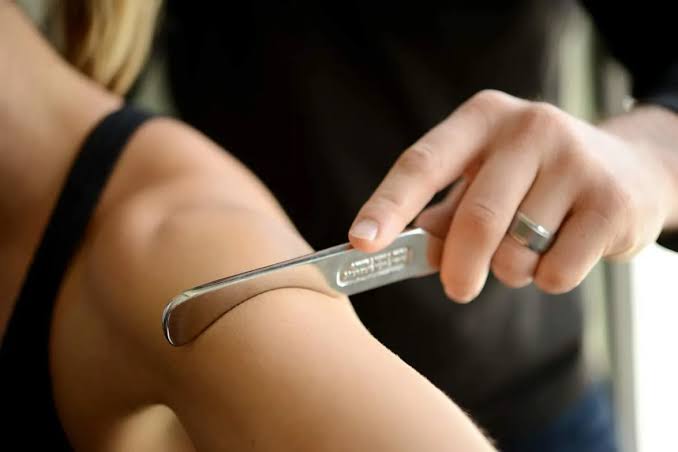
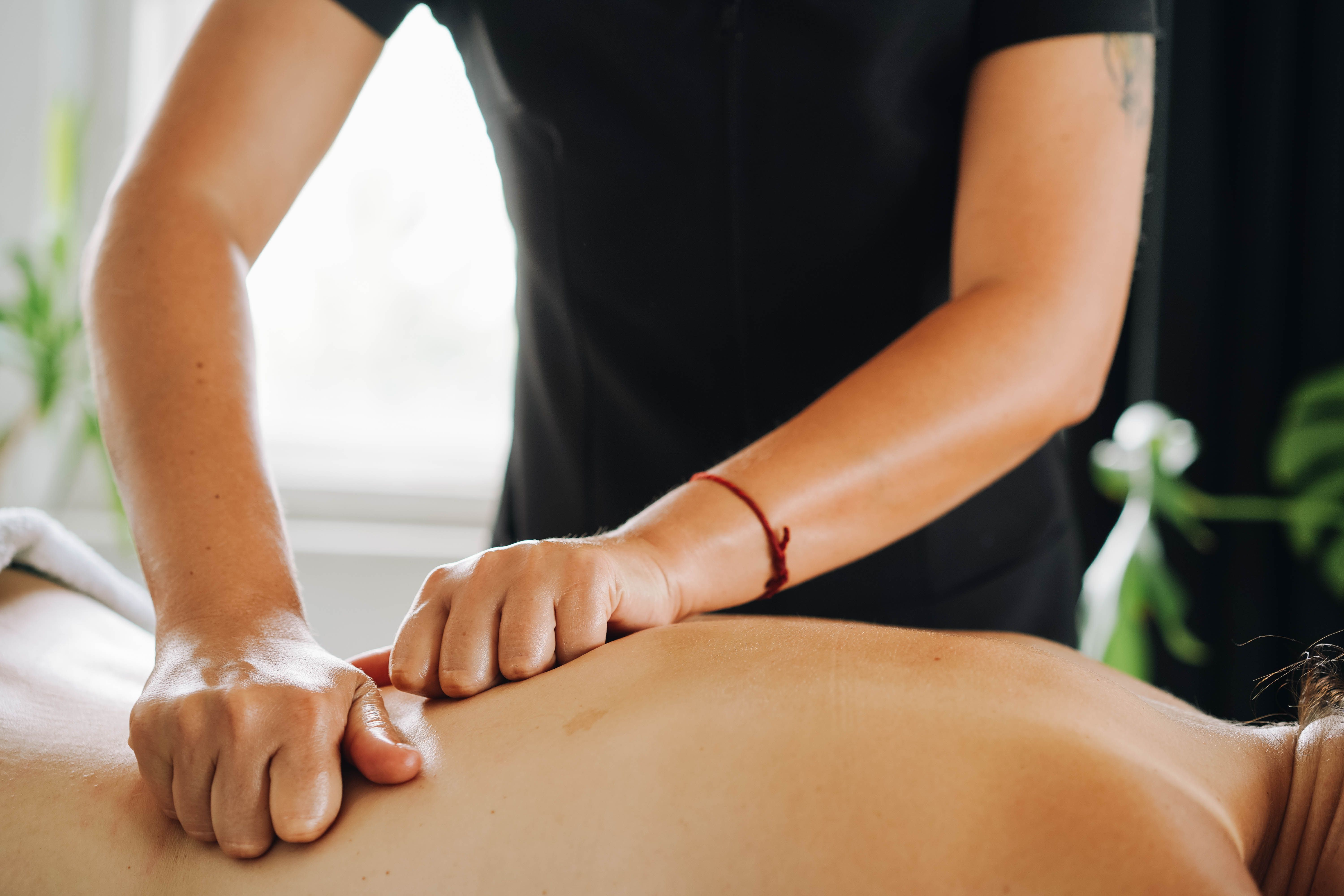
Instrument-assisted soft tissue mobilization of the shoulder
The beveled edge both detects restriction and treats it.

An honest read of the evidence

We like IASTM and we use it weekly — and we'll still tell you the research picture is modest. The most consistent finding across systematic reviews is improved joint range of motion in the short term; effects on pain are smaller and less consistent when IASTM is used alone. That's not a reason to skip it. It's a reason to use it the way the evidence supports: as a preparatory tool that opens motion so loading and retraining can do the lasting work.

SYSTEMATIC REVIEW · J ATHL TRAIN

Effect-size analysis across trials: IASTM produced consistent short-term range of motion improvements, with smaller effects on pain and function.

View study →
SYSTEMATIC REVIEW · MSK PAIN

Across musculoskeletal pain conditions, IASTM showed benefit particularly when combined with active treatment approaches.

View study →

Where we reach for the tools

Dose over drama

IASTM has a reputation problem: videos of bruised backs and gritted teeth. That's not how the technique works when it's done to help tissue rather than to look intense.

  • Exam first: instruments come out only after we've identified restricted tissue that relates to your actual problem.
  • Controlled intensity: redness is expected; bruising is a dosing error, not a badge of effectiveness.
  • Minutes, not the whole visit: instrument work is a segment of your 45-minute session, not the show.
  • Always followed by movement: new range gets loaded immediately so it survives past the parking lot.

Often paired with

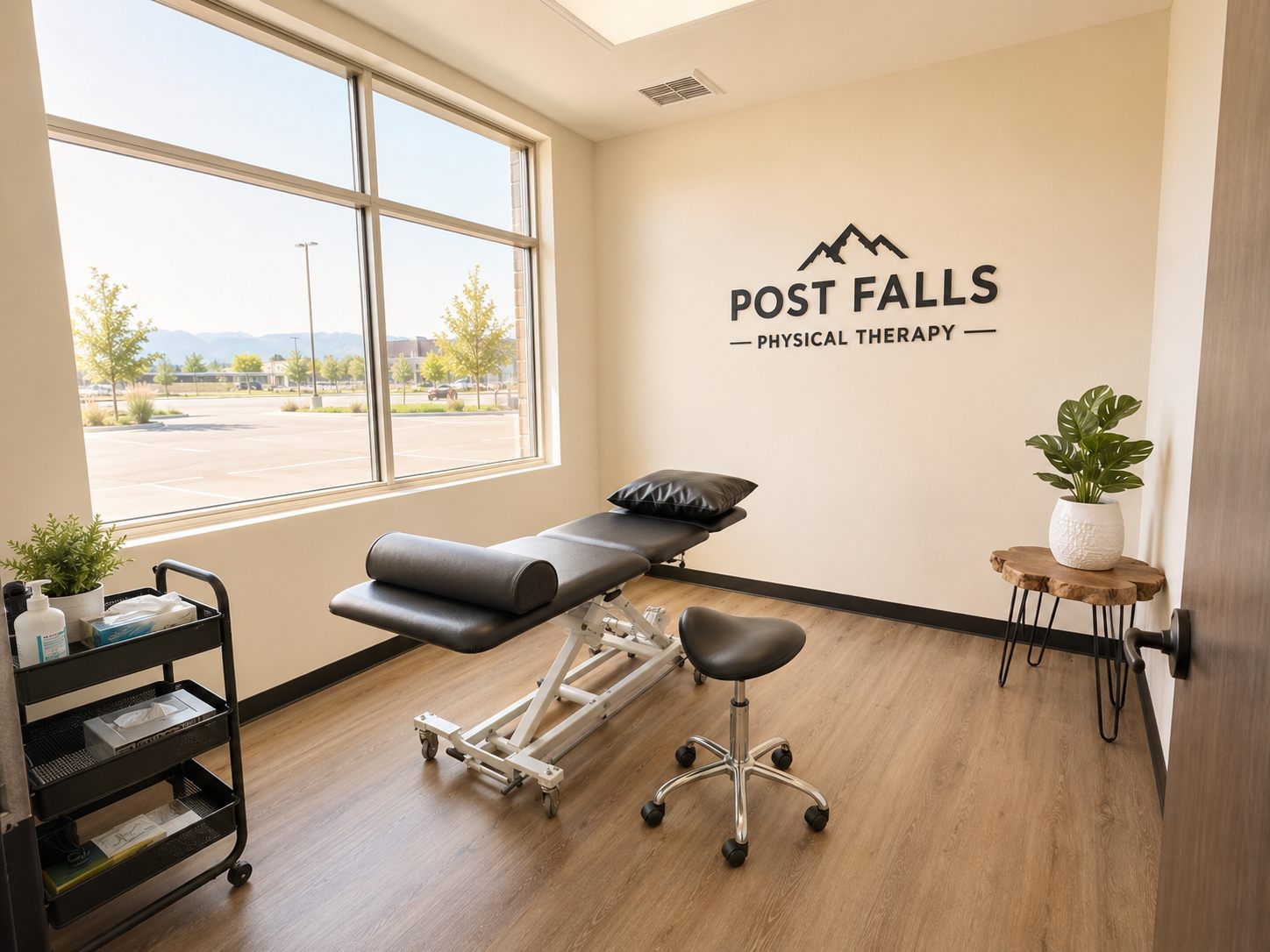
Treatment room at Post Falls Physical Therapy
01 — SCAN
Let the tool listen

Instrument-assisted palpation to map exactly where tissue texture changes.

02 — TREAT
Dose the tissue

Controlled instrument strokes at the depth and intensity the tissue needs.

03 — LOAD
Make it permanent

Exercise through the freed-up range so remodeling happens in the right direction.

Frequently asked questions

Is the scraping supposed to bruise me?+
No. Redness that fades within hours is normal — it's increased blood flow, and it's part of the point. Deep bruising means the dose was too aggressive. Research on IASTM is clear that harder isn't better, so we work at the intensity that changes tissue without trashing it.
Why use a tool instead of hands?+
Two reasons. Detection: a rigid instrument transmits vibration that makes gritty, fibrotic tissue easy to locate precisely. Treatment: the beveled edge concentrates force at depths and angles fingers can't hold for long. Hands still do plenty in our sessions — the tool covers what they can't.
What conditions respond best to IASTM?+
Chronic tendon problems (elbow, Achilles, patellar), post-surgical scar restriction, plantar heel pain, and stubborn muscle tightness with a fibrotic feel. The most consistent research finding is improved range of motion in the short term — which we then reinforce with loading.
Is this the same as the gua sha tools I see online?+
The shape is similar; the application isn't. Clinical IASTM starts from an orthopedic exam, targets tissue identified as restricted, uses controlled dosing, and pairs the work with exercise. A tool scraped over sore muscles at home without that context is unlikely to hurt you — but it's also unlikely to change anything.
ONE PATIENT, ONE HOUR, ONE FOCUS

Stubborn tissue meets the right tool.

IASTM inside one-on-one sessions — no referral needed in Idaho.

Ryan Zumwalt
DPT · DOCTOR OF PHYSICAL THERAPY

Ryan Zumwalt, DPT practices at Post Falls Physical Therapy in Post Falls, Idaho, where every session is one-on-one with the same Doctor of Physical Therapy.

SOURCES

  1. Instrument-Assisted Soft Tissue Mobilization: A Systematic Review and Effect-Size Analysis. J Athl Train, 2019. pubmed.ncbi.nlm.nih.gov
  2. The Efficacy of Instrument-Assisted Soft Tissue Mobilization for Musculoskeletal Pain: A Systematic Review. journal.parker.edu
  3. The efficacy of instrument assisted soft tissue mobilization: a systematic review. J Can Chiropr Assoc. pubmed.ncbi.nlm.nih.gov