SPECIALTY

Return to Sport

"It's been six months" is not a medical clearance. We test strength, power, and control against objective criteria — then you go back with numbers on your side.

AT A GLANCE

Most reinjuries happen because the return decision was made by a calendar. Criteria-based return to sport replaces the guess with measurement: limb-to-limb strength symmetry, hop and landing tests, movement under fatigue, and sport-specific readiness. Pass the battery and reinjury risk drops dramatically. Fall short, and you've found the gap while it's still trainable — not on the field.

The calendar tells a comfortable lie

After an injury or surgery, everyone wants a date. Dates feel like plans. But tissue healing and athletic readiness are different clocks: at the point a graft or repair is biologically sound, the leg attached to it is routinely still weaker, slower to react, and less trusted by its owner than the other side. Return on the date alone and those deficits come with you — into the exact cutting, landing, and collision moments that caused the first injury.

The fix isn't waiting longer. It's knowing, with numbers, when you're actually ready.

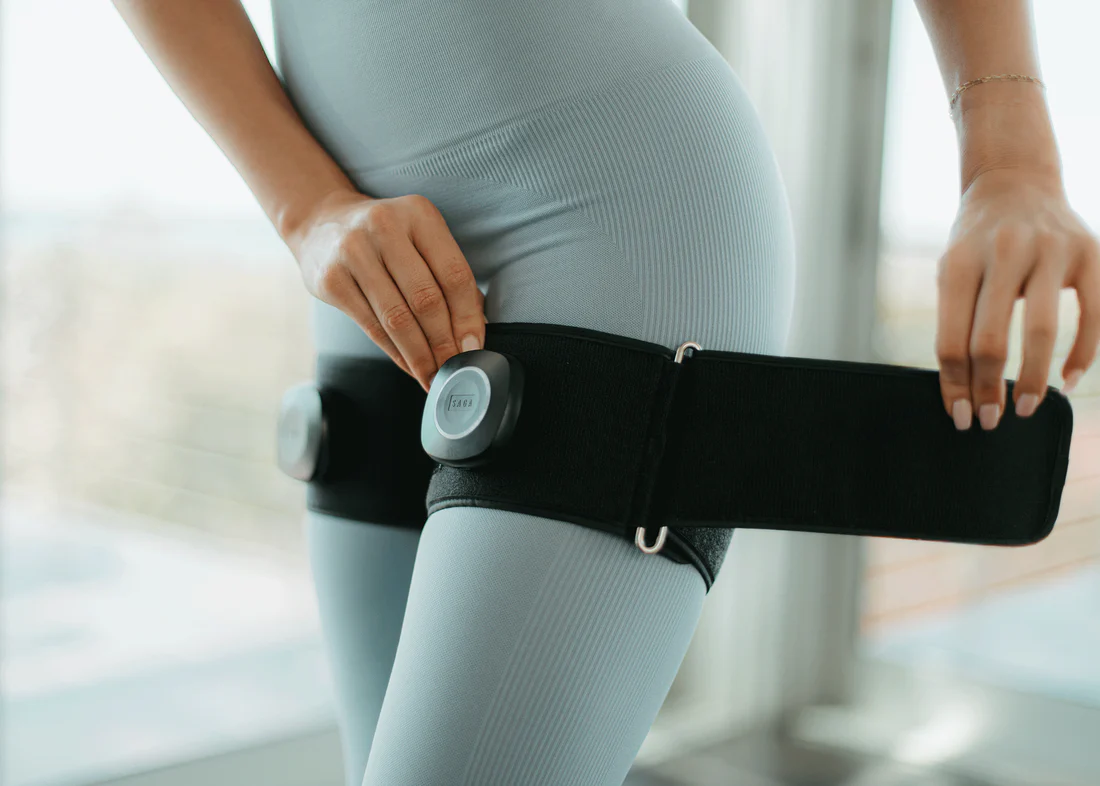
What the test battery looks like

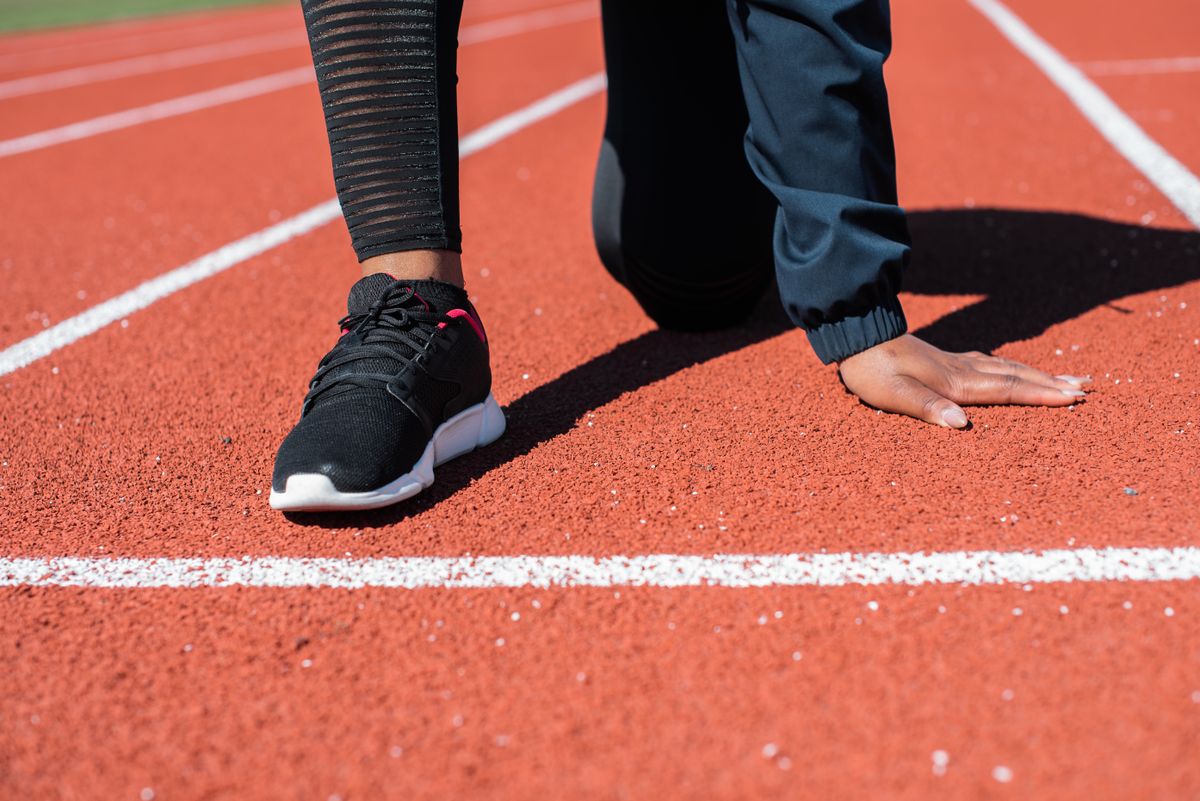
Athlete in a sprint start position
Game speed is the exam. Testing simulates it before the field does.

Why testing earns its keep

SYSTEMATIC REVIEW · JOSPT

Passing return-to-sport criteria was associated with substantially reduced risk of second ACL injury across pooled studies.

View study →
REVIEW · RETURN & REINJURY

Objective performance factors — strength, hop symmetry — track with successful return and lower reinjury in athletes after ACL reconstruction.

View study →

Who this program serves

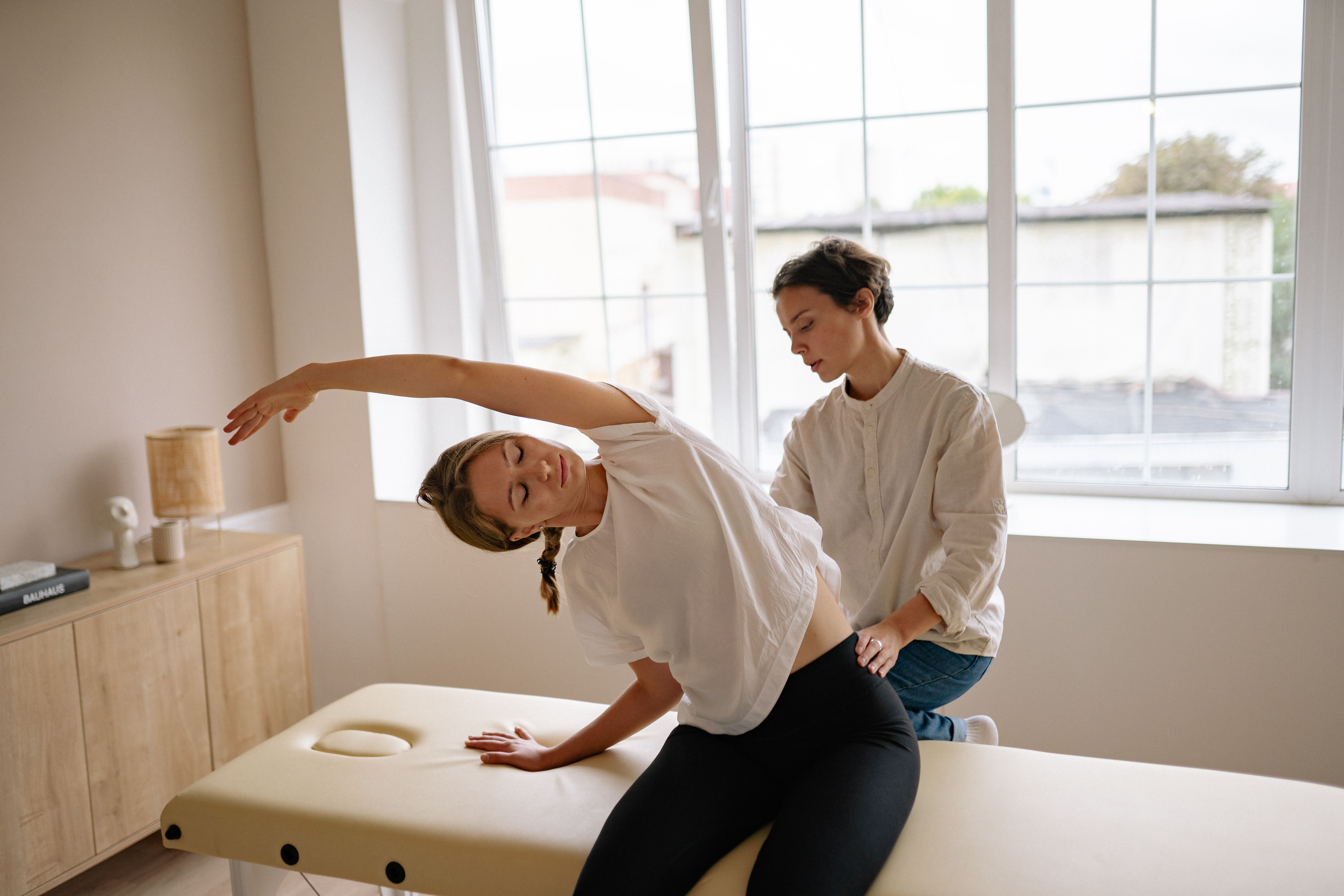
Post-op athletes — ACL, meniscus, shoulder, Achilles — working back toward clearance; in-season athletes managing an injury without losing the season; and everyday athletes who simply refuse to get hurt the same way twice. If your comeback matters to you, it deserves better than a guess.
How the program runs

Return to sport isn't a single exit exam — it's a training block with checkpoints, built backward from the demands of your sport.

  • Baseline early: we test long before clearance day, so the plan targets your actual deficits.
  • Bridge the gap: strength, plyometrics, and change-of-direction work progressed week over week.
  • Retest on schedule: objective checkpoints show the gap closing — or tell us to adjust.
  • Graduated return: practice before scrimmage before games, with criteria at each step.

Often paired with

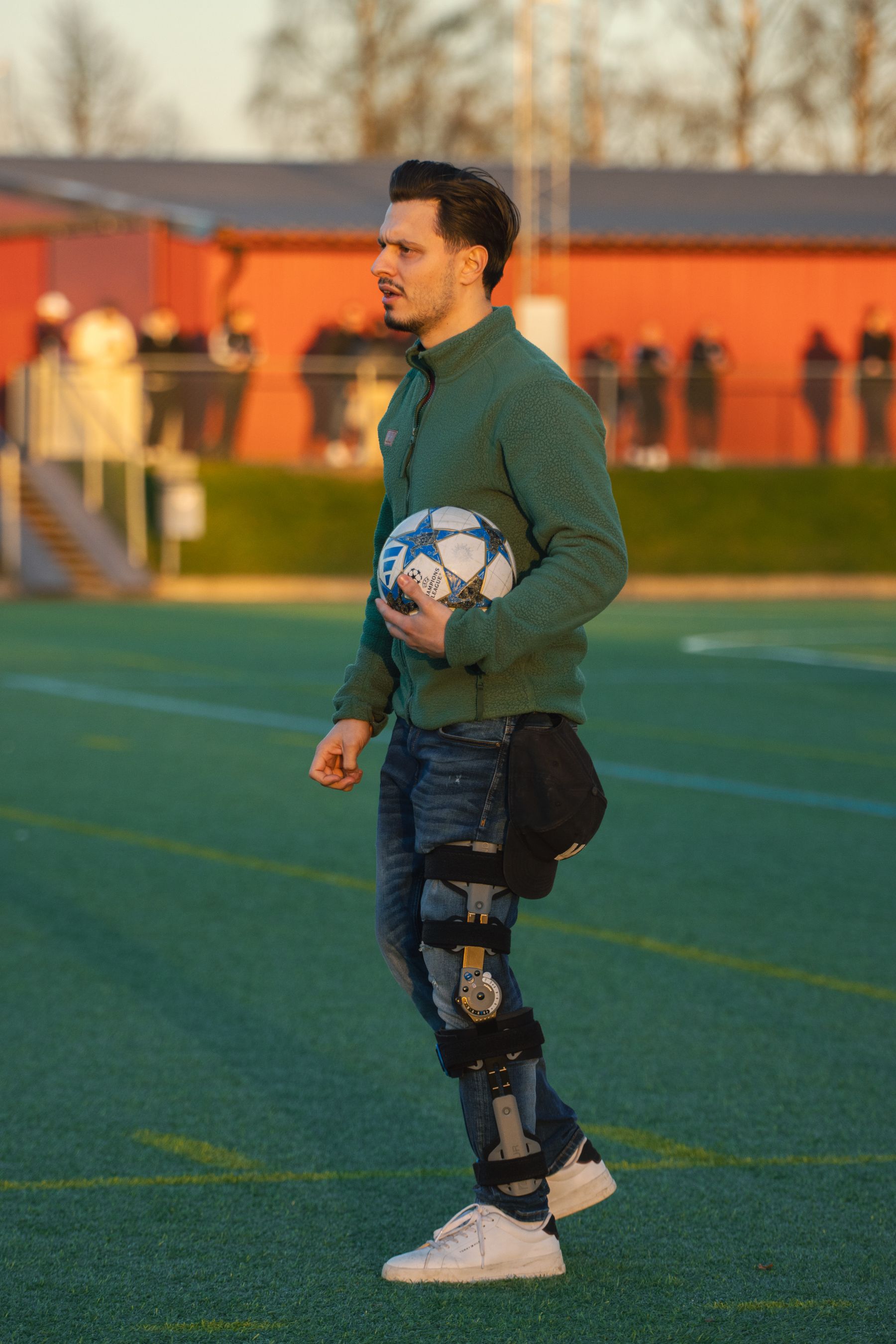
Athlete with knee brace returning to soccer
01 — BASELINE
Measure the gap

Strength and hop testing against your other side and your sport's demands.

02 — BRIDGE
Train to criteria

A progressive block targeting exactly what the testing exposed.

03 — CLEAR
Return with proof

Pass the battery, stage the comeback, and go back with data — not hope.

Frequently asked questions

My surgeon said 9 months for my ACL. Isn't that the timeline?+
Nine months is a floor, not a finish line. Time lets tissue heal; it doesn't guarantee strength, power, or confidence came back with it. The research is blunt: athletes who return after passing objective criteria have substantially lower reinjury rates than athletes cleared on time alone. We use the calendar as a minimum and the test results as the decision.
What do you actually test?+
Strength symmetry between limbs (typically requiring roughly 90% or better), a hop test battery for power and landing control, movement quality under fatigue, and sport-specific demands — cutting, decelerating, contact readiness. We also pay attention to psychological readiness, because hesitation on the field is its own injury risk.
I feel completely fine. Why would I fail a test?+
Because "feels fine" is measured at jogging speed, and injuries happen at game speed. A quad can be 20% weak and feel normal on stairs; the deficit only shows up when you decelerate hard or land off-balance. That gap between feeling ready and testing ready is exactly where reinjuries live — and exactly what testing exposes while it's still fixable.
Do I need to be a competitive athlete to use this?+
No — "sport" here means whatever you're returning to: rec league, ski season, CrossFit, trail running, or keeping up with your kids. The logic is identical: define the demands, measure whether your body currently meets them, close the gaps, and retest before you go back.
ONE PATIENT, ONE HOUR, ONE FOCUS

Come back once. Come back right.

Criteria-based testing and return programming — no referral needed in Idaho.

Ryan Zumwalt
DPT · DOCTOR OF PHYSICAL THERAPY

Ryan Zumwalt, DPT practices at Post Falls Physical Therapy in Post Falls, Idaho, where every session is one-on-one with the same Doctor of Physical Therapy.

SOURCES

  1. The Association Between Passing Return-to-Sport Criteria and Second Anterior Cruciate Ligament Injury Risk. J Orthop Sports Phys Ther, 2019. jospt.org
  2. Factors Associated With Return to Sport and Reinjury in Athletes After Anterior Cruciate Ligament Reconstruction. JOSPT Open, 2023. jospt.org