The body's blind spots
Rehab has a dirty secret: patients are often told to "squeeze your quad" or "engage your pelvic floor" while having no reliable way to know whether they're doing it. After knee surgery, the quadriceps is commonly inhibited by a spinal reflex — you send the command, the muscle barely answers, and you can't feel the difference. In pelvic floor work, studies show a large share of people perform their exercises incorrectly with verbal instruction alone, often bracing the wrong muscles entirely.
Practicing the wrong thing precisely is how rehab stalls. Biofeedback exists to remove the guesswork.
Closing the loop
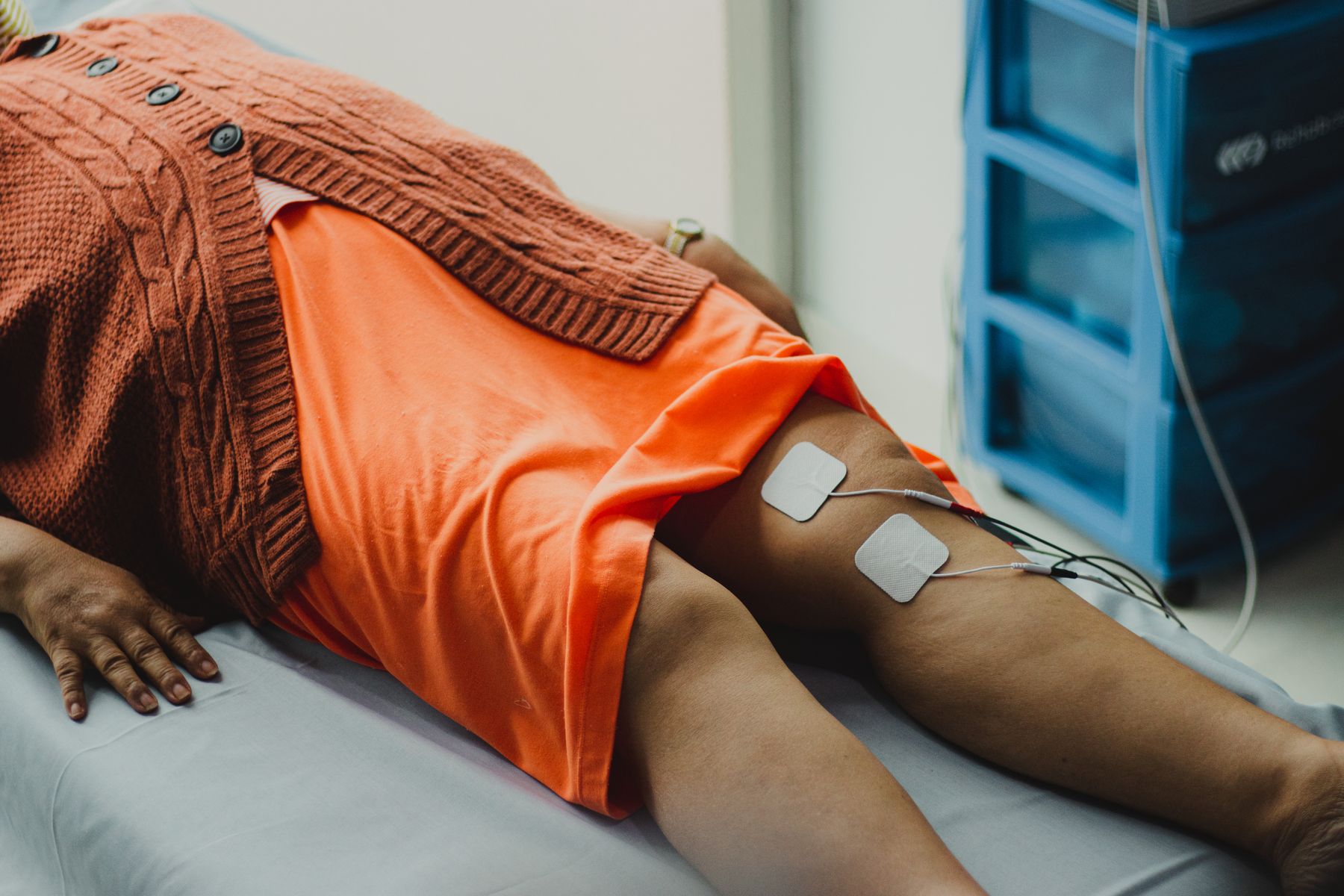
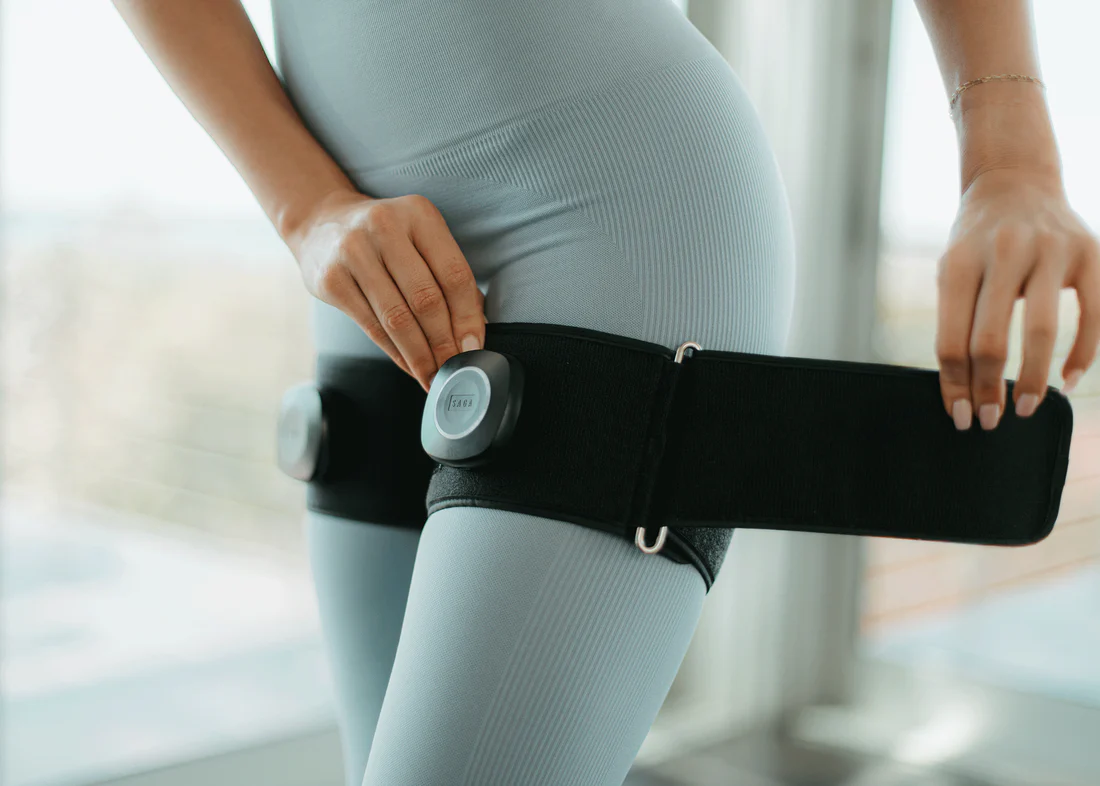
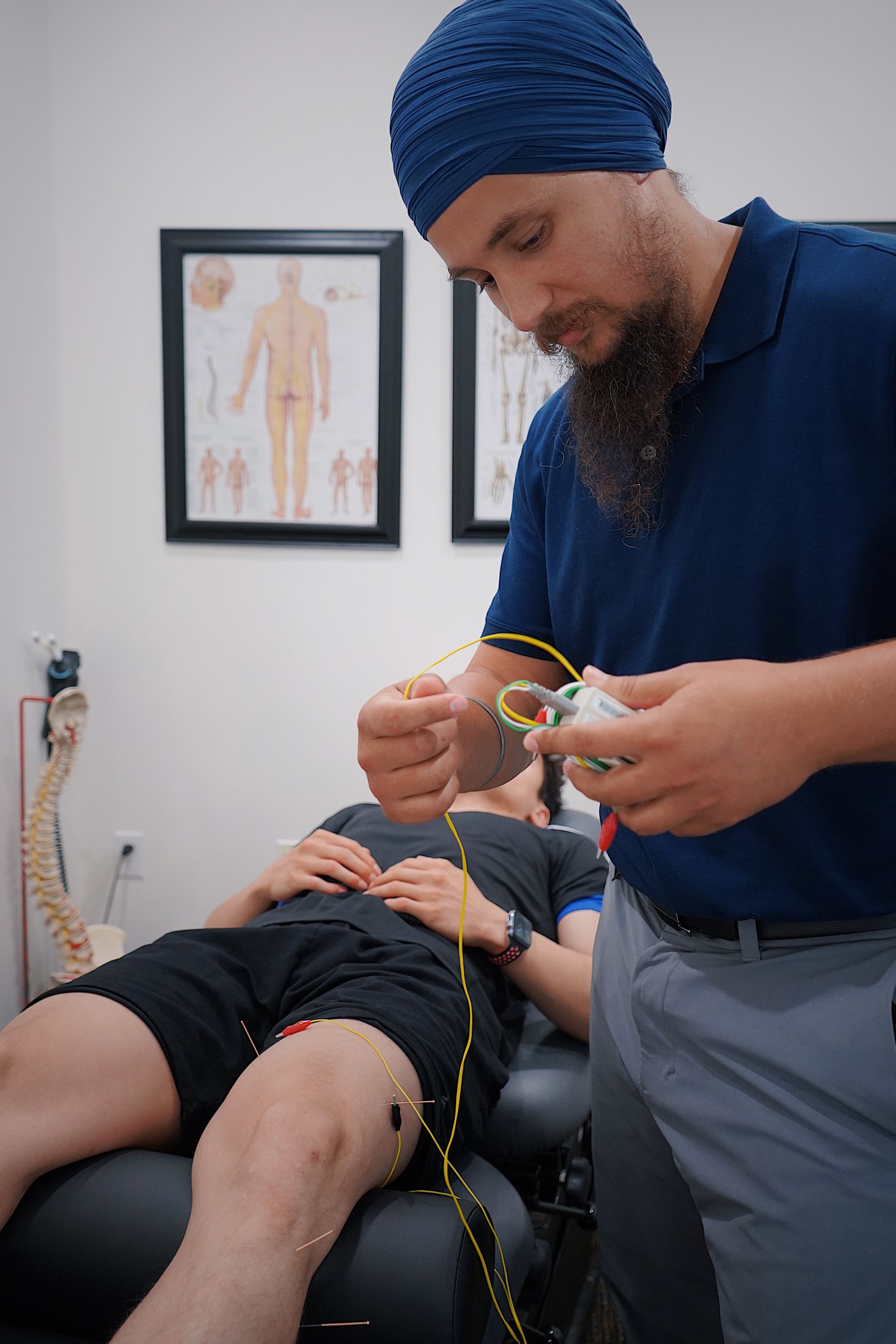
Electrodes on the skin (or specialized pelvic sensors, when appropriate and always with consent) read the electrical chatter of the muscle underneath. The signal becomes a moving bar or tone. Now the exercise changes character completely: contract, and you see the response. Adjust your effort, and the display answers instantly. Your brain finally gets the confirmation it needs to rebuild the connection — and progress that took weeks of blind practice happens in sessions.
Where the evidence points
EMG biofeedback added to exercise improved quadriceps activation and outcomes in knee rehabilitation, including patellofemoral pain.
View study →Pelvic floor muscle training is first-line, evidence-based care for incontinence — and feedback helps ensure the training is actually performed correctly.
View study →Our most common uses
- Post-surgical quad recovery — waking up an inhibited quadriceps after knee surgery, when every early week matters
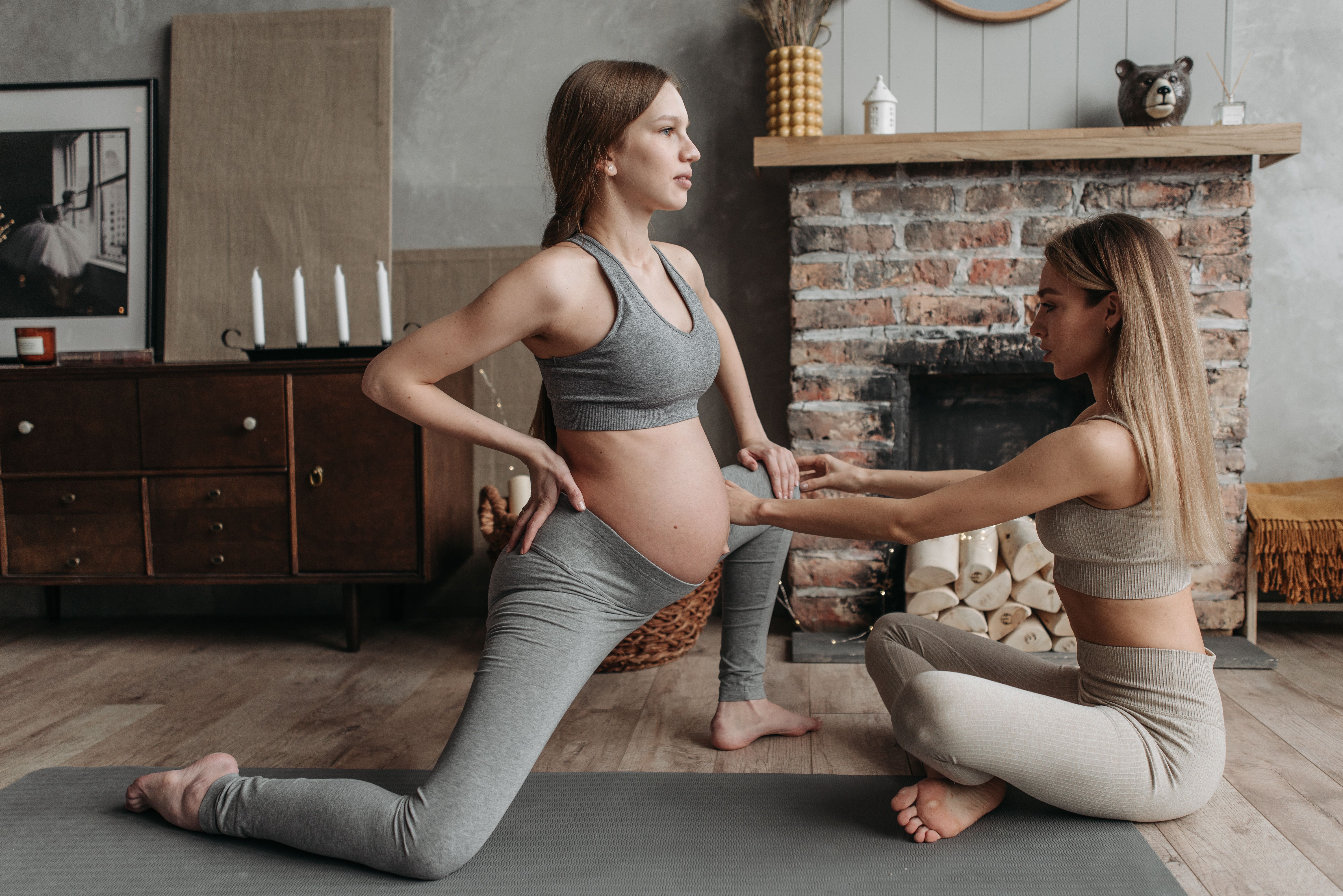
- Pelvic floor retraining — for both weakness and overactivity, where sensing the muscle is half the battle
- Muscles that dominate when they shouldn't — like upper traps hijacking every shoulder exercise
- Relaxation training — teaching chronically braced muscles what "off" feels like again