Common is not the same as normal
Somewhere along the way, a myth took hold: that leaking when you sneeze is just the price of childbirth, that pelvic pressure is just aging, that urgency is just how your bladder is. The numbers are real — about one in three women experience urinary incontinence after childbirth — but the resignation isn't warranted. These are muscle and coordination problems, and muscle and coordination problems respond to training. The evidence isn't marginal, either: pelvic floor muscle training is backed by Cochrane review and sits as first-line treatment in international guidelines.
Weak isn't the only problem
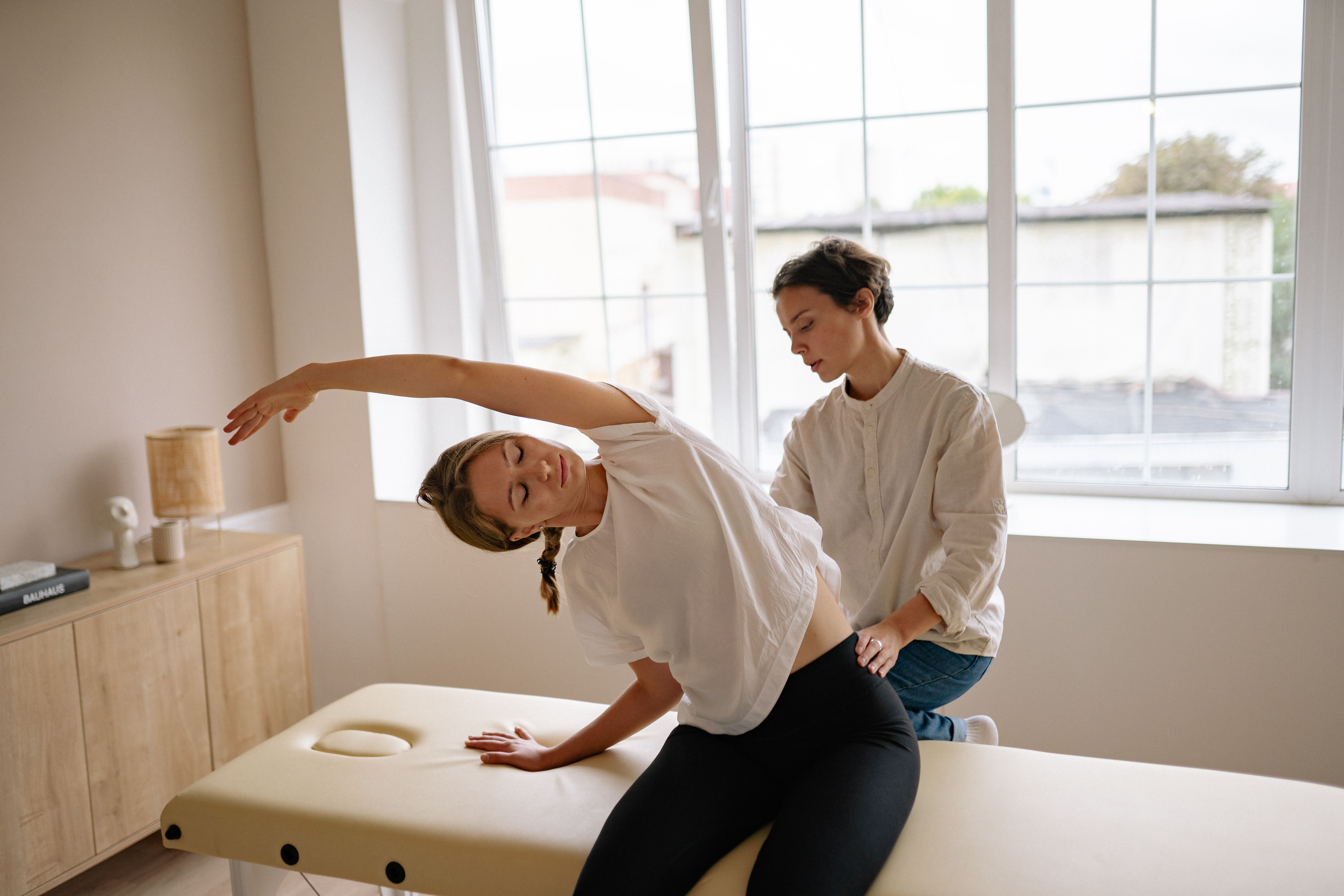
Here's what separates pelvic floor care from a Kegel handout: these muscles fail in two directions. Some floors are genuinely weak and need strengthening. Others are clenched — held in constant guard, producing pain, urgency, and even leakage that more squeezing makes worse. Prescribing Kegels to an overactive pelvic floor is like prescribing shrugs to a tense neck. The assessment exists to find out which pattern is yours before any exercise is assigned.

Who ends up in this room
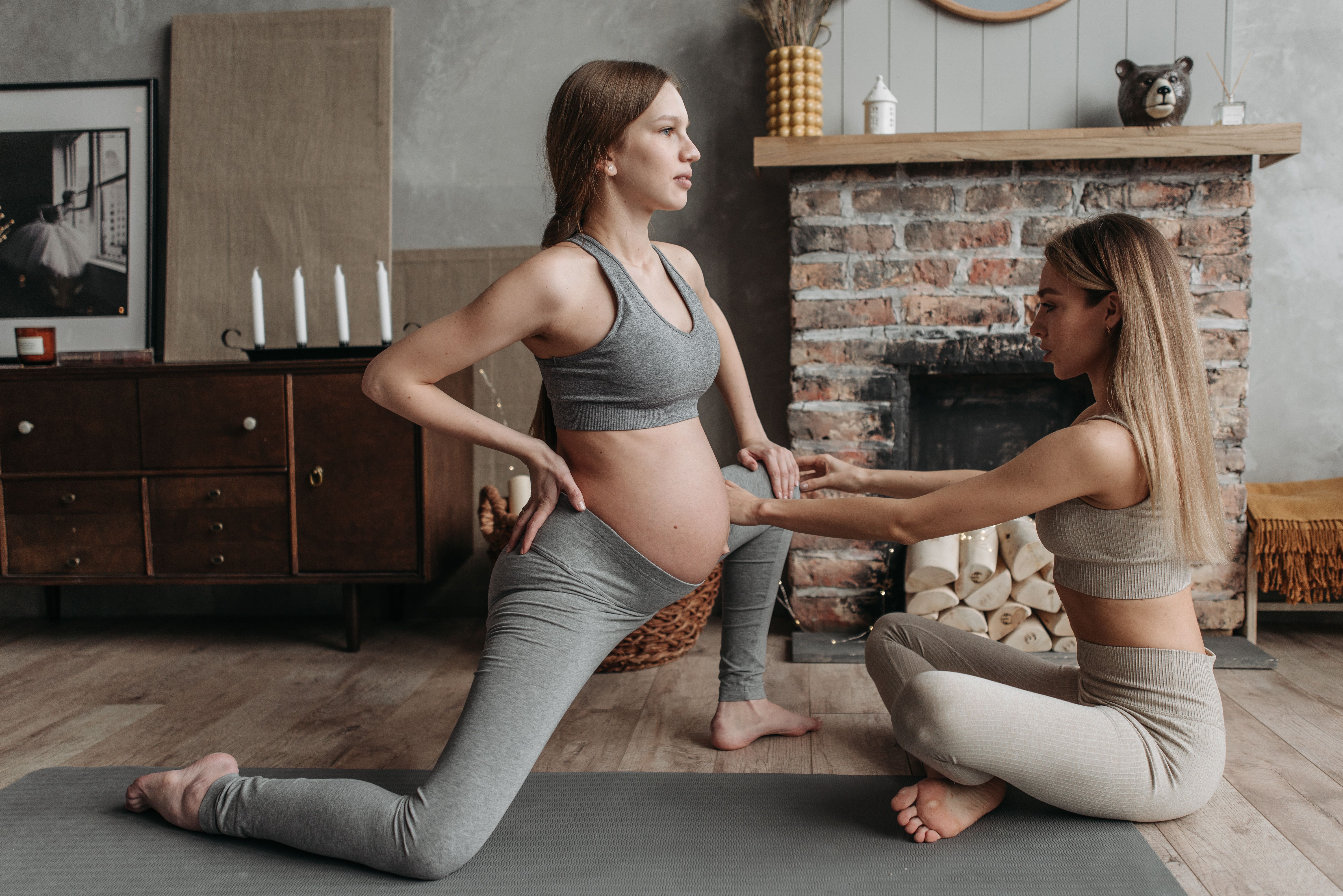
- Postpartum patients — leakage, heaviness, diastasis recti, or wanting a tested return to running and lifting
- Anyone leaking with cough, laugh, jump, or deadlift
- People with pelvic pain, tailbone pain, or pain with intimacy
- Men after prostate surgery, or with chronic pelvic pain and urgency
- People whose "small bladder" schedules their entire day
The evidence base
Pelvic floor muscle training prevents and treats urinary incontinence — the gold-standard review behind first-line guideline recommendations.
View study →